
Process / Methodology
How do we ensure an immutable standard of quality?
We treat game development not as a linear checklist, but as a recursive loop of precision engineering and sensory refinement. Our lifecycle minimizes technical debt while maximizing visceral impact.

The Recursive Discipline
Most studios treat the development lifecycle as a waterfall—a rigid descent from concept to launch. We view it as a standing wave. The "Blueprint" phase never truly closes; it remains accessible throughout development, allowing structural pivots without catastrophic refactoring.
In the German engineering tradition, we prioritize verifiable foundations over speculative decoration. Before a single pixel is rendered in high fidelity, the underlying C# architecture must simulate the intended mechanic with mathematical accuracy. This is the "Engine Room" principle: if the simulation holds, the immersion follows.
The Constraint Loop
- ● Constraint identifies the mechanic.
- ● Architecture validates the motion.
- ● Sensory layers define the feel.
Visual Timeline
The Four Phases of Kinetic Deployment
SCROLL TO REVEAL THE CYCLE
01. Blueprint
Discovery & Architecture
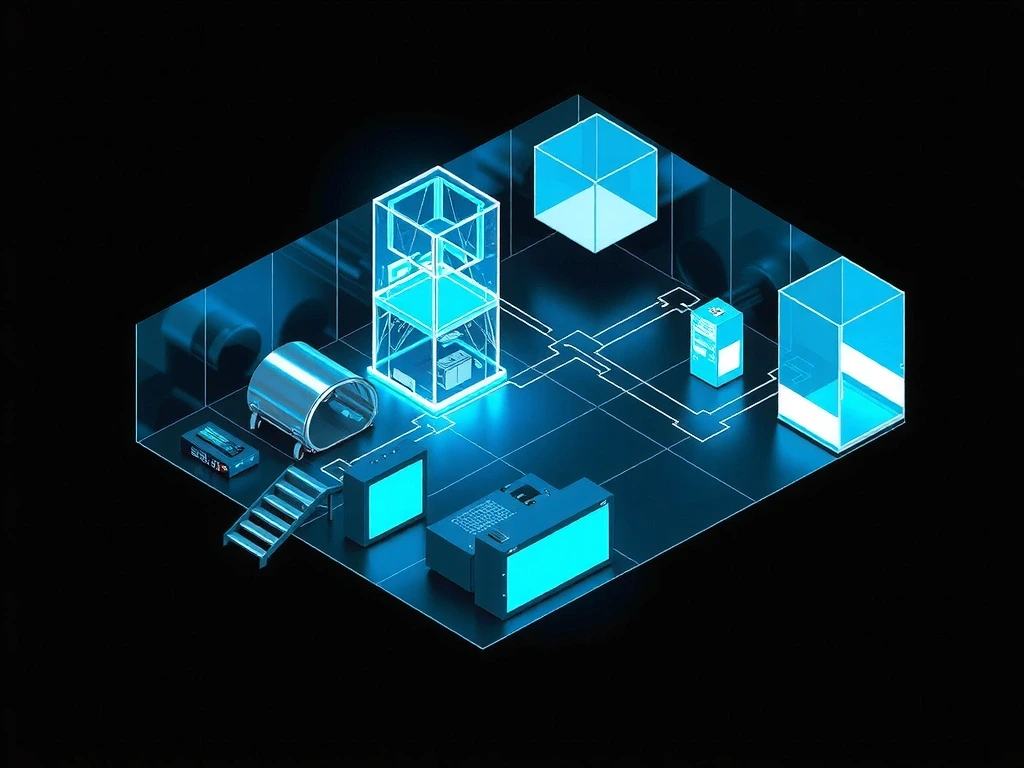
We reject the "mood board" approach. This phase is defined by technical feasibility studies and mechanic simulation. We map the "Sensory Skeleton"—the rigid structure that dictates how an input feels, not just what it triggers. Documentation here is exhaustive; it is the immutable source of truth for the team.
02. Engine Room
Prototyping & Core Dev
This is the "Grey Box" iteration. We strictly avoid visual polish here to focus entirely on code integrity. The goal is to establish a robust Unity or Unreal skeleton that handles stress without frame drops. We iterate rapidly here—collapsing code, refactoring logic, and verifying the core gameplay loop against the Blueprint's theoretical model.
03. Polish
Iteration & Sensory Refinement
Once the Engine Room passes QA, we apply the Sensory Overlay. This is where particle systems, audio synthesis, and haptic feedback maps are integrated. We use a "ruthless editing" process—if a visual effect does not support the mechanic, it is removed. The objective is cognitive load management; ensuring the player processes information at the intended pace.
04. Pulse
Deployment & Feedback Loop
Launch is not the end; it is the transition to a live environment. We deploy monitoring agents to track real-time telemetry—latency, drop-off points, and input metrics. This data feeds directly back into the Blueprint Phase for the next update. The loop is closed; the product evolves.
Engineering Note
"We reject the term 'final build.' In our pipeline, version X.0 is simply the most recent stable iteration. The architecture anticipates change."
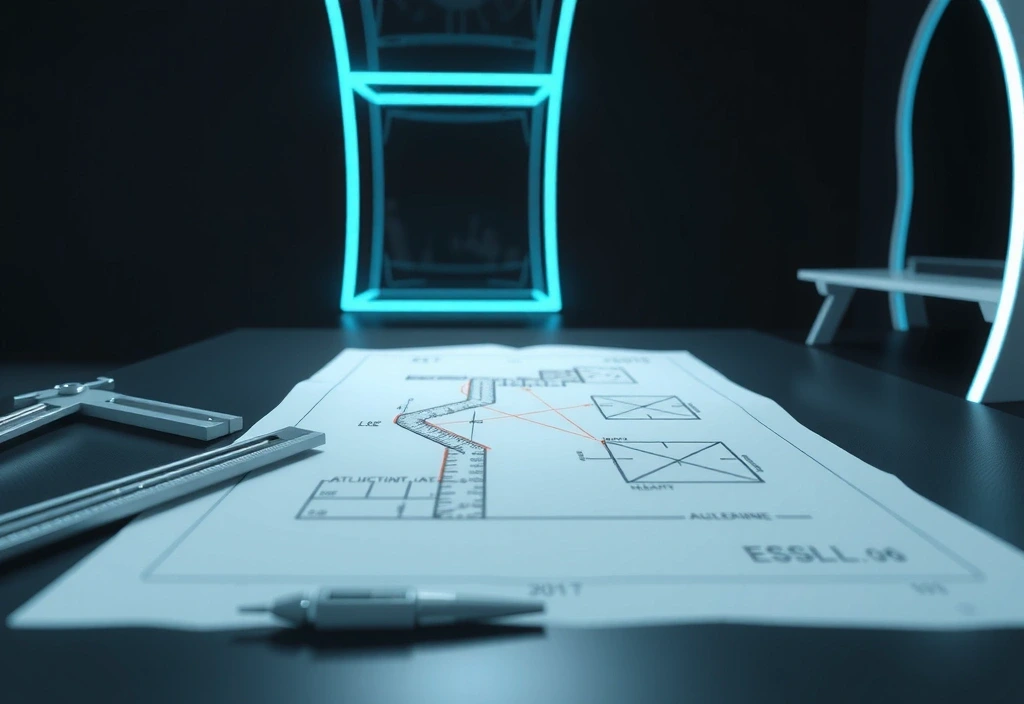
Visualizing the Workflow
Structural Integrity

Raw Computation

Sensory Refinement
Ready to Validate Your Concept?
We allocate 2 weeks annually for deep-dive discovery sessions. Secure your slot in the loop.
Initiate Contact